
Efficient Farm Surplus Management Strategies in the UK
- Andrew Steel

- Jul 27
- 4 min read
Managing farm surplus effectively is more than just a necessity; it’s a smart business move. Every year, UK farms produce more than they can immediately sell or use. This surplus, if not handled well, can lead to waste, lost revenue, and missed opportunities. But what if we could turn that excess into something valuable? That’s exactly what efficient farm surplus management is all about. Let me walk you through practical strategies that can transform surplus into profit and sustainability.
Understanding Farm Surplus Management Strategies
Farm surplus management isn’t just about storing extra produce. It’s a comprehensive approach that involves planning, processing, and distributing excess goods in ways that benefit both farmers and buyers. The goal? To reduce waste, increase revenue, and support sustainable food systems.
Here are some key strategies I’ve found effective:
Accurate Forecasting and Planning: Knowing your production cycles and market demand helps prevent overproduction.
Improved Storage Solutions: Investing in proper storage facilities extends the shelf life of surplus produce.
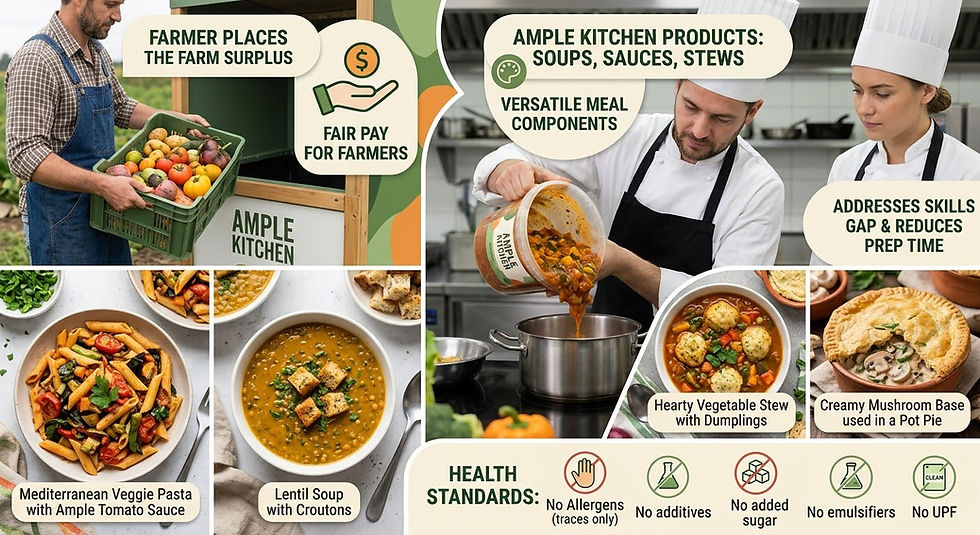
Processing Surplus into Value-Added Products: Turning excess fruits or vegetables into jams, sauces, or dried goods.
Collaborative Distribution Networks: Partnering with local businesses, caterers, and public sector organisations to find new markets.
Real-Time Surplus Tracking: Using technology to monitor surplus levels and quickly respond to changes.
Each of these strategies plays a vital role in making sure surplus doesn’t go to waste but instead becomes a resource.

Practical Steps to Implement Farm Surplus Management Strategies
Let’s get into the nitty-gritty. How can you put these strategies into action? Here’s a step-by-step guide that I recommend:
Assess Your Surplus Patterns
Start by tracking what types of produce tend to be in surplus and when. This data is gold. It helps you plan storage and processing needs.
Invest in Quality Storage
Cold storage, controlled atmosphere rooms, or even simple improvements like better ventilation can make a huge difference.
Develop Processing Capabilities
If you have the resources, setting up a small processing unit on-site can add value. For example, turning surplus tomatoes into sauces or apples into cider.
Build Partnerships
Reach out to local caterers, schools, hospitals, and other public sector organisations. They often need fresh, affordable produce and can be reliable buyers.
Leverage Technology
Use apps or software designed for farm surplus management. These tools can alert you when surplus is available and connect you with buyers quickly.
Educate Your Team
Everyone involved in the farm’s operations should understand the importance of surplus management and how to contribute.
By following these steps, you create a system that not only reduces waste but also opens new revenue streams.
The Role of Technology in Surplus Management
Technology is a game-changer in managing farm surplus efficiently. From simple inventory apps to sophisticated supply chain platforms, tech solutions help farmers stay ahead.
For example, digital marketplaces connect farmers directly with businesses and public sector organisations looking for fresh produce. This cuts out middlemen and speeds up the sale process. Real-time data tracking means you can react quickly to surplus changes, reducing spoilage.
Moreover, predictive analytics can forecast surplus based on weather patterns and crop yields, allowing better planning. I’ve seen farms reduce waste by up to 30% just by adopting these tools.

How Sustainable Practices Enhance Surplus Management
Sustainability isn’t just a buzzword; it’s a necessity in today’s food industry. Efficient surplus management aligns perfectly with sustainable farming practices. When surplus is managed well, less food ends up in landfill, reducing greenhouse gas emissions.
Here’s how sustainability ties into surplus management:
Resource Efficiency: Using every bit of produce maximises the inputs like water, fertiliser, and labour.
Supporting Local Economies: Selling surplus locally reduces transport emissions and supports community businesses.
Promoting Circular Economy: Surplus can be repurposed into animal feed, compost, or bioenergy, closing the loop.
By adopting these practices, farms contribute to a healthier planet while improving their bottom line.
Unlocking New Markets with Farm Surplus
One of the most exciting aspects of managing surplus is discovering new markets. Businesses, caterers, and public sector organisations like the NHS are increasingly interested in sourcing sustainable, local produce. This demand creates opportunities for farms to sell surplus that might otherwise go unused.
Here’s how to tap into these markets:
Tailor Your Offerings: Understand the specific needs of your buyers. For example, caterers may want pre-cut vegetables, while hospitals might need consistent supply of certain fruits.
Flexible Packaging and Delivery: Offering smaller, customised packages and reliable delivery schedules can make your surplus more attractive.
Certifications and Quality Assurance: Meeting food safety and quality standards builds trust with institutional buyers.
Storytelling and Transparency: Sharing your sustainability story and surplus management efforts can differentiate your produce.
If you want to explore more about how to connect with these buyers, check out uk farm surplus management for insights and resources.
Moving Forward with Confidence
Managing farm surplus efficiently is not just about avoiding waste; it’s about creating value. With the right strategies, technology, and partnerships, surplus can become a reliable source of income and a pillar of sustainability.
I encourage you to start small, track your progress, and scale up your efforts. The benefits are clear: reduced waste, increased revenue, and a stronger connection to your community and environment.
Remember, every bit of surplus managed well is a step towards a more sustainable and profitable future. Let’s make the most of what our farms produce and turn surplus into success.


Comments