
The Impact of Kitchen Partnerships on Food Waste: Exploring Kitchen Partnerships Benefits
- Andrew Steel

- Jul 27
- 4 min read
Food waste is a massive challenge that affects not only the environment but also the bottom line of businesses, caterers, and public sector organisations like the NHS. I’ve seen firsthand how kitchen partnerships can transform this issue from a costly problem into a powerful opportunity. By working together, kitchens can reduce waste, save money, and contribute to a more sustainable food system. Let’s dive into the kitchen partnerships benefits and how they can make a real difference.
Why Kitchen Partnerships Matter for Food Waste Reduction
Food waste is more than just throwing away leftovers. It’s about the entire supply chain - from farm to fork. When kitchens collaborate, they can share resources, knowledge, and surplus food to minimise waste. For example, a hospital kitchen might partner with a local caterer to redistribute unused ingredients or meals. This kind of cooperation ensures that food doesn’t end up in landfill but instead reaches those who need it.
Partnerships also encourage better planning and forecasting. When multiple kitchens communicate, they can coordinate orders and menus to use ingredients more efficiently. This reduces over-purchasing and spoilage. Plus, sharing equipment and storage space can help preserve food longer.
The benefits go beyond waste reduction. Kitchen partnerships foster innovation and creativity. Chefs and managers exchange ideas on how to repurpose surplus food into delicious dishes. This not only cuts waste but also enhances the menu variety and customer satisfaction.

Exploring Kitchen Partnerships Benefits: Practical Examples and Strategies
Let me share some practical ways kitchen partnerships can work wonders:
Shared Procurement: Buying ingredients in bulk together reduces packaging waste and costs. It also allows kitchens to negotiate better deals with suppliers.
Surplus Redistribution: Surplus food from one kitchen can be sent to another that needs it. For instance, a caterer might have excess vegetables that a community kitchen can use.
Joint Menu Planning: Coordinating menus helps use ingredients across kitchens, reducing leftovers.
Waste Tracking and Reporting: Partner kitchens can share data on waste patterns, helping identify problem areas and solutions.
Staff Training and Awareness: Collaborative training sessions raise awareness about food waste and teach best practices.
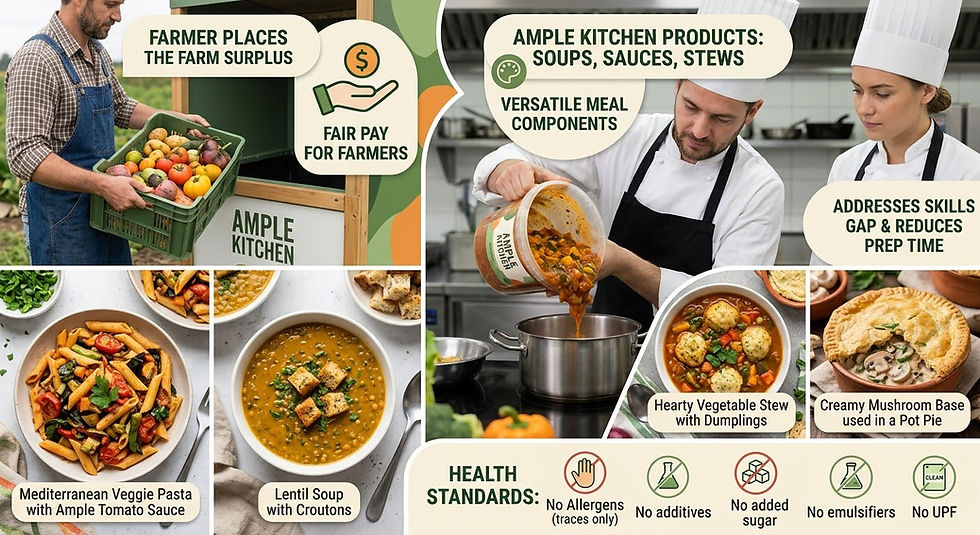
One inspiring example is how some NHS kitchens have teamed up with local food producers and charities to turn farm surplus into nutritious meals. This not only supports local farmers but also ensures that excess produce doesn’t go to waste. It’s a win-win situation.
If you want to explore how to build such collaborations, consider reaching out to an ample kitchen partnership to get started.
How Technology Enhances Kitchen Partnerships Benefits
Technology plays a crucial role in maximising the impact of kitchen partnerships. Digital platforms can connect kitchens, suppliers, and charities in real time. This makes it easier to share surplus food quickly and efficiently.
Apps and software can track inventory, predict demand, and alert partners about available surplus. This reduces the risk of food spoiling before it can be used. Some systems even use AI to analyse waste data and suggest improvements.
For example, a cloud-based platform might allow a hospital kitchen to post surplus items that a nearby caterer can claim instantly. This reduces waste and builds a network of trust and cooperation.
Technology also supports transparency and accountability. Partners can monitor their waste reduction progress and report on sustainability goals. This is especially important for public sector organisations aiming to meet environmental targets.

Building Strong Partnerships: Tips for Success
Creating effective kitchen partnerships requires more than just good intentions. Here are some tips to make your collaboration thrive:
Establish Clear Communication: Regular meetings and updates keep everyone on the same page.
Define Roles and Responsibilities: Clarify who handles what to avoid confusion.
Set Shared Goals: Agree on waste reduction targets and sustainability objectives.
Create Flexible Agreements: Allow room for adjustments as needs change.
Celebrate Successes: Recognise achievements to motivate partners.
Invest in Training: Equip staff with the skills to manage surplus and reduce waste.
Leverage Local Networks: Engage with farmers, suppliers, and charities to expand impact.
By following these steps, kitchens can build trust and create a culture of sustainability that benefits everyone involved.
The Bigger Picture: Why Kitchen Partnerships Are Essential for Sustainable Food Systems
When I think about the future of food, kitchen partnerships stand out as a key solution to the global food waste crisis. They connect different parts of the food chain, from farmers to consumers, creating a circular system where nothing goes to waste.
This approach aligns perfectly with the goals of organisations like Ample, which aim to tackle food waste by transforming farm surplus into valuable, nutritious food products for businesses. By fostering these connections, we help farmers generate revenue from their excess produce while providing affordable, sustainable food options.
Moreover, kitchen partnerships contribute to reducing greenhouse gas emissions associated with food waste. Less waste means less methane from landfills and a smaller carbon footprint for food production.
In short, these collaborations are not just good for business - they are essential for building resilient, sustainable food systems that can feed communities now and in the future.
Taking Action: How to Get Started with Kitchen Partnerships
Ready to make a difference? Here’s how you can begin:
Identify Potential Partners: Look for local kitchens, caterers, and organisations with shared goals.
Start Small: Pilot a surplus sharing or joint procurement project.
Use Technology: Implement tools to track and manage food waste.
Engage Stakeholders: Involve staff, suppliers, and customers in your efforts.
Measure Impact: Track waste reduction and cost savings to demonstrate value.
Scale Up: Expand successful initiatives and share best practices.
Remember, every small step counts. By working together, kitchens can turn food waste from a challenge into an opportunity for innovation, savings, and sustainability.
Kitchen partnerships are more than just a trend - they are a powerful strategy to reduce food waste and build a better food future. I encourage you to explore the possibilities and join the movement towards a more sustainable, efficient, and collaborative food system.


Comments